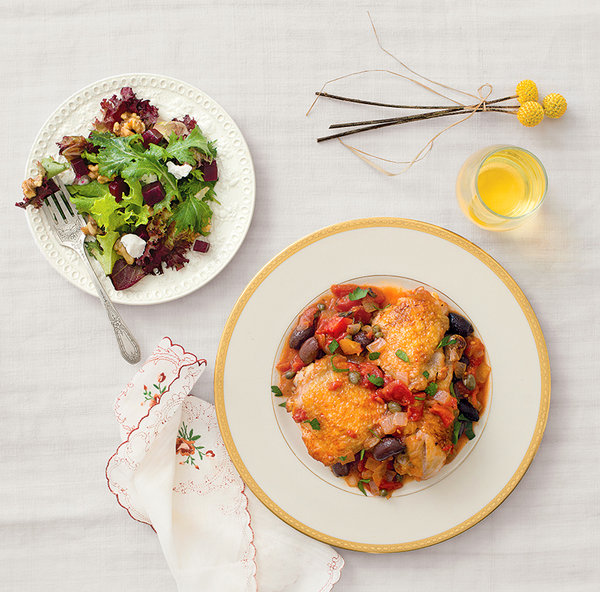
Master Salt-Roasted Beets with Goat Cheese & Walnuts: A Culinary Game-Changer
Imagine a dish that’s vibrantly beautiful, bursting with earthy sweetness, creamy tang, and a delightful crunch, all brought together by a bright, zesty dressing. That’s precisely what you get with salt-roasted beets served alongside creamy goat cheese and toasted walnuts. This classic combination isn't just a feast for the eyes; it's a symphony of flavors and textures that has captivated palates for generations. But what if there was a method to cook beets that elevated them beyond mere roasted vegetables, transforming them into a culinary revelation even for the most ardent beet skeptics? Enter the art of salt-roasting.
Forget everything you thought you knew about cooking beets. This ancient technique, championed by top chefs, unlocks an unparalleled depth of flavor, preserves their stunning color, and gifts them a perfectly firm yet tender texture that regular roasting often misses. Inspired by culinary legends like Wolfgang Puck and expert food publications, and honed in professional kitchens, salt-roasting is more than just a cooking method – it's a promise of superior taste and nutrition. Prepare to discover the secrets to mastering this simple yet profound technique, and how to assemble an exquisite salad that will forever change your perception of beets.
The Magic of Salt-Roasting Beets: A Chef's Secret Revealed
Have you ever shied away from cooking beets due to their tendency to bleed their vibrant color into everything, or because they sometimes turn out watery and bland? Salt-roasting is the elegant solution to these common challenges, a true game-changer that every home cook should know. This technique isn't just about cooking; it's about concentrating flavor, preserving nutrients, and achieving a texture that’s simultaneously firm and meltingly tender.
Why Salt-Roasting Reigns Supreme
At its core, salt-roasting involves encasing whole, unpeeled beets in a thick layer of coarse salt and baking them. While it might sound counterintuitive, the beets emerge surprisingly devoid of excessive saltiness. Instead, they taste intensely sweet, deeply earthy, and perfectly seasoned from within. The magic lies in the salt's ability to create a sealed, high-heat cooking environment that gently steams the beets in their own juices without losing moisture to the air. This process locks in their natural sugars and flavors, preventing them from leaching out, which is a common issue with methods like boiling or even water-roasting in foil.
This dry, indirect heat environment also plays a crucial role in preserving the beets' gorgeous pigment. Unlike methods where beets are exposed to liquid, which can cause their color to bleed, salt-roasting keeps their vibrant hues intact, whether you're working with ruby red, golden, or striped Chioggia varieties. Moreover, this method significantly reduces nutrient loss, as the beets retain more of their vitamins and minerals. The result is a beet that boasts a firm, almost "meaty" bite, a far cry from the often-mushy texture of boiled beets. It’s no wonder chefs, from the legendary Wolfgang Puck to local culinary artisans, have embraced this method for its superior results. For an even deeper dive into this technique, read our article:
Salt-Roasted Beets: Unlock Sweetness & Preserve Color Like a Chef.
Mastering the Salt-Roasting Process
Achieving perfectly salt-roasted beets is surprisingly simple. Here’s how:
1.
Preheat Your Oven: Set your oven to a moderate 375-400°F (190-200°C).
2.
Prepare the Beets: Choose medium to large beets of similar size for even cooking. Wash them thoroughly but do not peel or trim the tops too closely, as the skin and a small part of the stem protect the beet during cooking.
3.
Create the Salt Bed: In a sturdy baking dish (ceramic or cast iron works best), spread a generous 1/2 to 1-inch layer of coarse salt (kosher salt or sea salt). You can enhance the aroma by mixing in fresh rosemary and thyme sprigs, just as one inspiring chef once did.
4.
Nestle the Beets: Place the beets directly onto the salt bed, ensuring they don't touch each other. Then, completely cover them with more coarse salt, forming a solid crust around each beet.
5.
Roast: Bake for 60 to 90 minutes, or until a knife or skewer easily slides into the center of the largest beet with minimal resistance. The cooking time will vary depending on the size of your beets.
6.
Cool & Peel: Once tender, remove the dish from the oven and let the beets cool slightly in their salt crust. Once cool enough to handle, crack open the salt crust, brush off any excess salt, and gently rub off the skins. They should slip off effortlessly. The vibrant, sweet beet underneath will be perfectly cooked and ready for its starring role.
Crafting the Perfect Salt Roasted Beets with Goat Cheese and Toasted Walnuts Salad
With your perfectly salt-roasted beets ready, it's time to assemble a salad that’s not just a dish, but an experience. The classic trinity of beets, goat cheese, and walnuts offers a harmonious balance of flavors and textures that is truly irresistible.
Ingredients for a Stellar Salad
*
Salt-Roasted Beets: About 4-5 medium beets, prepared as above, then peeled and cut into bite-sized wedges or discs.
*
Goat Cheese: A 4-6 ounce log of fresh chevre. Its creamy texture and tangy, slightly acidic profile perfectly complement the earthy sweetness of the beets. Crumble it generously.
*
Walnuts: 1/2 to 1 cup of walnut halves or pieces. Toasting them is non-negotiable for superior flavor and crunch.
*
Shallot-Orange Vinaigrette: This bright, fresh dressing ties everything together. Beets have a natural affinity for orange, making this vinaigrette an ideal choice.
The Essential Shallot-Orange Vinaigrette
This dressing, adapted from a classic, provides the ideal acidic counterpoint to the richness of the cheese and the earthiness of the beets, while enhancing their natural sweetness.
Ingredients:
* 1/4 cup fresh orange juice (preferably reduced slightly for concentrated flavor)
* 1 tablespoon orange zest
* 1 small shallot, finely minced
* 2 tablespoons rice vinegar (or white wine vinegar)
* 1/2 teaspoon Dijon mustard (optional, for emulsification)
* 1/4 cup extra virgin olive oil
* 2 tablespoons fresh chives, finely chopped
* Salt and freshly ground black pepper to taste
Instructions:
1.
Reduce Orange Juice (Optional but Recommended): Gently simmer the orange juice in a small saucepan over medium-low heat until it reduces by about half, intensifying its flavor. Let it cool.
2.
Combine Ingredients: In a small bowl, whisk together the reduced orange juice, orange zest, minced shallot, rice vinegar, and Dijon mustard (if using).
3.
Emulsify: Slowly drizzle in the olive oil while continuously whisking until the dressing is emulsified and slightly thickened.
4.
Season and Add Herbs: Stir in the chopped chives and season generously with salt and pepper. Taste and adjust seasonings as needed.
Assembling Your Culinary Masterpiece
1.
Toast the Walnuts: While the beets are roasting, lightly toast the walnuts. You can do this in a dry skillet over medium heat, stirring frequently for 5-7 minutes until fragrant, or spread them on a baking sheet and toast in the oven for 8-10 minutes. Watch them carefully to prevent burning!
2.
Arrange the Beets: On a serving platter or individual plates, artfully arrange the salt-roasted beet wedges or slices.
3.
Add Goat Cheese: Crumble the tangy goat cheese over the beets.
4.
Scatter Walnuts: Sprinkle the toasted walnuts generously across the salad.
5.
Dress Lightly: Rather than tossing the entire salad (which can turn it into a red mess), spoon the vibrant shallot-orange vinaigrette sparingly over the ingredients. This allows each component to shine while ensuring every bite is perfectly seasoned.
6.
Garnish: A few extra chives or a sprig of fresh herbs can add a beautiful final touch.
Elevating Your Dish: Pro Tips for Flavor & Presentation
Beyond the basic recipe, a few expert insights can transform your salt roasted beets with goat cheese and toasted walnuts from great to truly unforgettable.
Selecting the Best Ingredients
*
Beets: Look for firm, smooth beets with their greens still attached (if possible). Smaller beets tend to be sweeter and more tender. Don't limit yourself to red beets; golden beets offer a milder flavor and won't "bleed" as much, making them excellent for a mixed beet salad. Chioggia beets add beautiful concentric rings of color.
*
Goat Cheese: While fresh chevre is classic, experiment with a slightly aged goat cheese for a sharper, more complex flavor. For a dairy-free alternative, consider a cashew-based vegan "chevre" for a similar creamy tang.
*
Walnuts: Always buy raw walnuts and toast them yourself. Pre-toasted nuts often lack freshness and can turn rancid quickly. Toasting not only enhances their nutty flavor but also gives them an irresistible crispness.
Presentation Matters
*
Layering: Instead of a simple pile, consider layering your beets, cheese, and walnuts. This creates visual appeal and ensures an even distribution of ingredients.
*
Croxton or Greens: For an appetizer, serve small portions atop a crisp crostini. For a larger salad, nestle the beet mixture on a bed of delicate greens like arugula, baby spinach, or a spring mix. The peppery bite of arugula is a particularly delightful pairing.
*
Color Contrast: When using red beets, remember their powerful pigment. Arrange them carefully and dress just before serving to maintain distinct ingredient colors. If mixing beet types, separate them or arrange artfully to showcase the different hues.
Dietary Adaptations and Pairings
*
Vegan/Dairy-Free: Substitute goat cheese with a high-quality vegan cashew chevre or a sprinkle of toasted pumpkin seeds for richness.
*
Nut-Free: Swap walnuts for toasted sunflower or pumpkin seeds for a similar crunch and nutritional boost.
*
Herb Variations: Experiment with different herbs in the salt crust or vinaigrette. A hint of fresh mint or tarragon can add a surprising freshness.
*
Serving Suggestions: This salad makes an elegant appetizer, a vibrant side dish for roasted chicken or fish, or a light lunch when paired with crusty bread. A crisp Sauvignon Blanc or a light-bodied Pinot Noir would be a superb wine pairing.
Beyond the Basics: Unleashing Creativity with Beets
The beauty of salt-roasted beets with goat cheese and toasted walnuts lies not only in its classic appeal but also in its versatility. Once you've mastered the foundational recipe, don't hesitate to experiment. Add roasted pistachios instead of walnuts for a different texture, or sprinkle with crumbled feta for a saltier, sharper kick. A drizzle of balsamic glaze can add a beautiful sheen and another layer of sweet-tart flavor, though the orange vinaigrette remains a favorite. Consider tossing in some cooked quinoa or farro for a heartier grain salad.
Perhaps the most compelling endorsement for this method comes from unexpected places. My husband, for instance, openly declared his dislike for beets for years. Yet, the first time I served him salt-roasted beets, he paused, took another bite, and asked, "What did you *do* to these? I actually like them!" It turns out, he didn't dislike beets; he simply hadn't experienced them cooked to their true potential. This anecdote is a testament to how transformational salt-roasting can be, often converting even the most adamant beet skeptics. If you're looking for more ways to convince a beet-hater, check out:
Salt-Roasted Beets with Goat Cheese: A Recipe Even Beet Haters Love.
Conclusion
Mastering salt-roasted beets with goat cheese and toasted walnuts is more than just learning a recipe; it's about unlocking a superior method of cooking that brings out the very best in an often-misunderstood vegetable. This dish embodies the perfect harmony of earthy sweetness, creamy tang, and nutty crunch, all elevated by a bright, zesty vinaigrette. By embracing the simple yet powerful technique of salt-roasting, you not only preserve the beet's vibrant color and nutrients but also concentrate its flavors, resulting in a perfectly seasoned and tender texture that will impress even the most discerning palates. So, tie on your apron, gather your ingredients, and prepare to create a culinary masterpiece that is both elegant and deeply satisfying. Your taste buds—and perhaps even a few beet skeptics—will thank you.